DRINK ∙ FOOD ∙ GOOD TIMES
Farm Director, Hamish Stewart, provides a seasonal farming update for 2025.
01.01.26
A promising spring
After a couple of challenging years, spring this year brought a welcome spell of settled, dry weather. This allowed us to get ahead with fieldwork, planting wheat and oats over a month earlier than last year. There’s an old saying, ‘well sown, half grown,’ and we certainly felt optimistic as the crops went in under ideal conditions. Alongside cereals, we prepared seedbeds for poppies, borage, and lupins as temperatures warmed up.
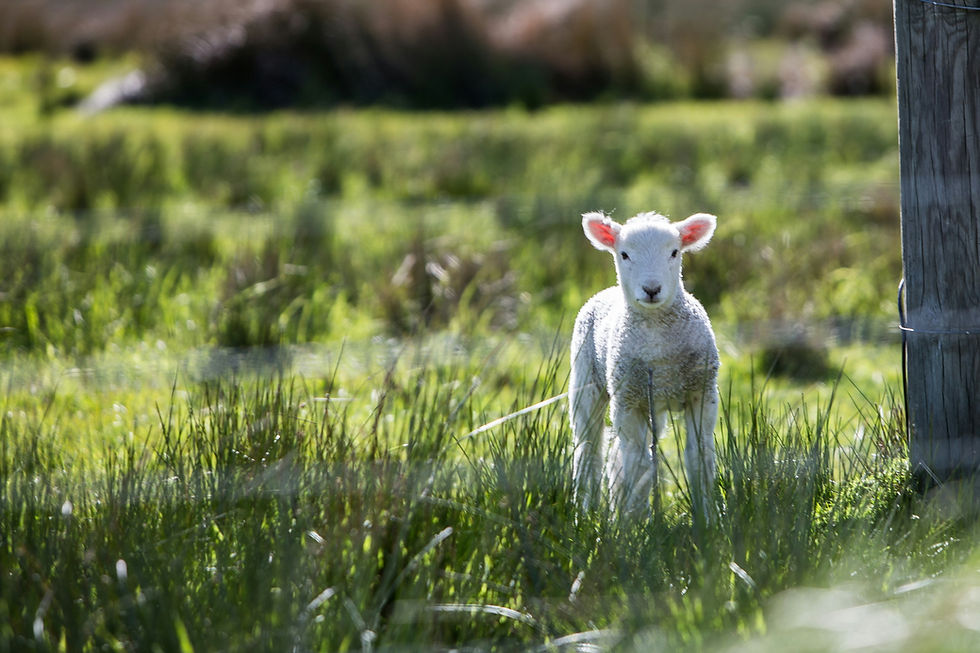
On the livestock side, lambing at Lady Halton Farm – just a few miles from the farm shop – for the first time went smoothly thanks to kinder weather. This gave the lambs the best possible start.
Our herbal lays, including chicory, plantain, and clovers all continued to grow well, providing diverse forage for sheep and cattle as well as benefitting soil nutrients.
Up at the dairy, we were busy well into spring with laying recycled railway sleepers to create trackways for the cattle to walk on which makes life easier for cows and the team during wetter spells. This also helps reduce the impact of mud on their feet.
A very dry summer
By early summer, the dry trend continued. While this slowed grass growth, our irrigation system at High Walton proved invaluable. Using water stored over winter, we kept pastures green and productive for the dairy herd. Silage-making was a big focus, and for the first time, we brought the job fully in-house. The team did a fantastic job with the new machinery and the result was we have produced top-quality silage for winter feeding. Meanwhile, our wildlife habitats burst into life, with ox-eye daisies, clovers, and knapweed attracting dragonflies, damselflies, and a host of other species. This was a real highlight for all.


Autumn – a race against time
As the year progressed, the impact of the lack of rain became more of an issue, as everyone knows it is one of the driest on record and had a big impact on forage availability.
As autumn arrived, so did the overdue rain which then sent grass growth into overdrive. This quickly meant we went from struggling to have enough for stock to eat, to having too much. To prevent this forage going to waste we have bought in over 1,000 lambs to graze it.
On the arable side, harvest was one of the quickest ever, with crops safely in by mid-August and next year’s wheat crops all planted by the end of September. Yields were below average but better than feared, thanks to a few timely June showers.
Now, as winter sets in, normal levels of rainfall have resumed, replenishing the soil moisture for next year’s crops and allowing us to store excess water from the rivers to re-fill the reservoirs.
Looking ahead
Despite many hurdles, 2025 has shown the resilience and adaptability of the farm and team. From early sowing and innovative irrigation to wildlife conservation and in-house silage-making, we’ve been able to keep moving forward.
It would be great to think there could be a more balanced year of weather in 2026 but experience means we won’t be holding our breath.